Partnership for Inclusive Care
and Education in Africa
Address: P.O.BoX 2385 KIGALI, Rwanda
Call us:
+250 784 184 181
E-mail us:
info@pace_africa.org

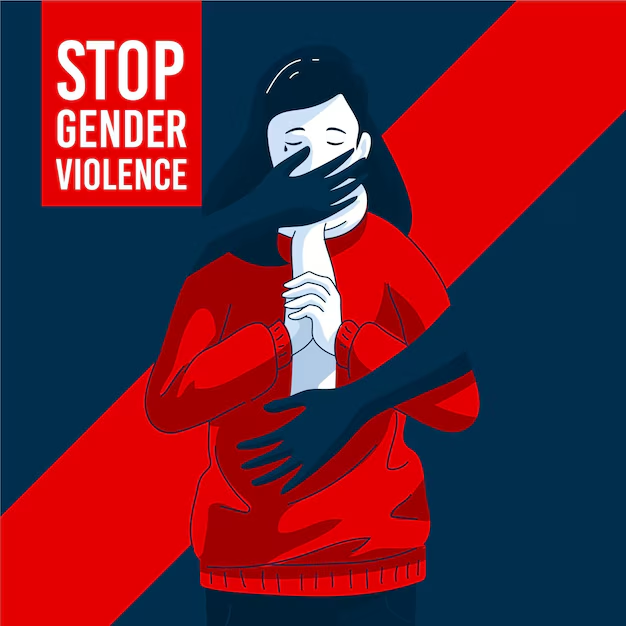

Efforts are underway to challenge patriarchal attitudes, challenge gender stereotypes, and transform harmful cultural practices through education and public awareness campaigns.

Engaging men and boys in promoting healthier, respectful behaviors and gender equality is a crucial strategy for fostering safer and more equitable communities.

Community-based organizations and local initiatives are vital in raising awareness, providing support services for survivors, and implementing GBV prevention programs.
Empowerment and Education

Promoting economic and social empowerment for women is seen as a key strategy for enhancing their agency and reducing their vulnerability to violence.

Implementing comprehensive sexual education programs that include topics like consent, boundaries, and equality in schools is essential to prevent GBV from a young age.

Providing rehabilitation programs, counseling services, and mental health support for survivors is critical.

Efforts to bring to justice perpetrators of GBV include working with local government authorities and law enforcements on behalf of the victims.
Implementing comprehensive sexual education programs that include topics like consent, boundaries, and equality in schools is essential to prevent GBV from a young age.
Providing rehabilitation programs, counseling services, and mental health support for survivors is critical.